

Glossary
Internal Linking
Internal linking is the practice of connecting pages within a site so that both people and crawlers can move between related content, and so that relevance and authority are distributed deliberately rather than by accident.
Glossary
Internal linking is the practice of connecting pages within a site so that both people and crawlers can move between related content, and so that relevance and authority are distributed deliberately rather than by accident.
They let a crawler discover pages, they tell it which pages a site considers important, and they describe what a page is about through the words used to link to it. A page nobody links to is a page the site itself is treating as unimportant.
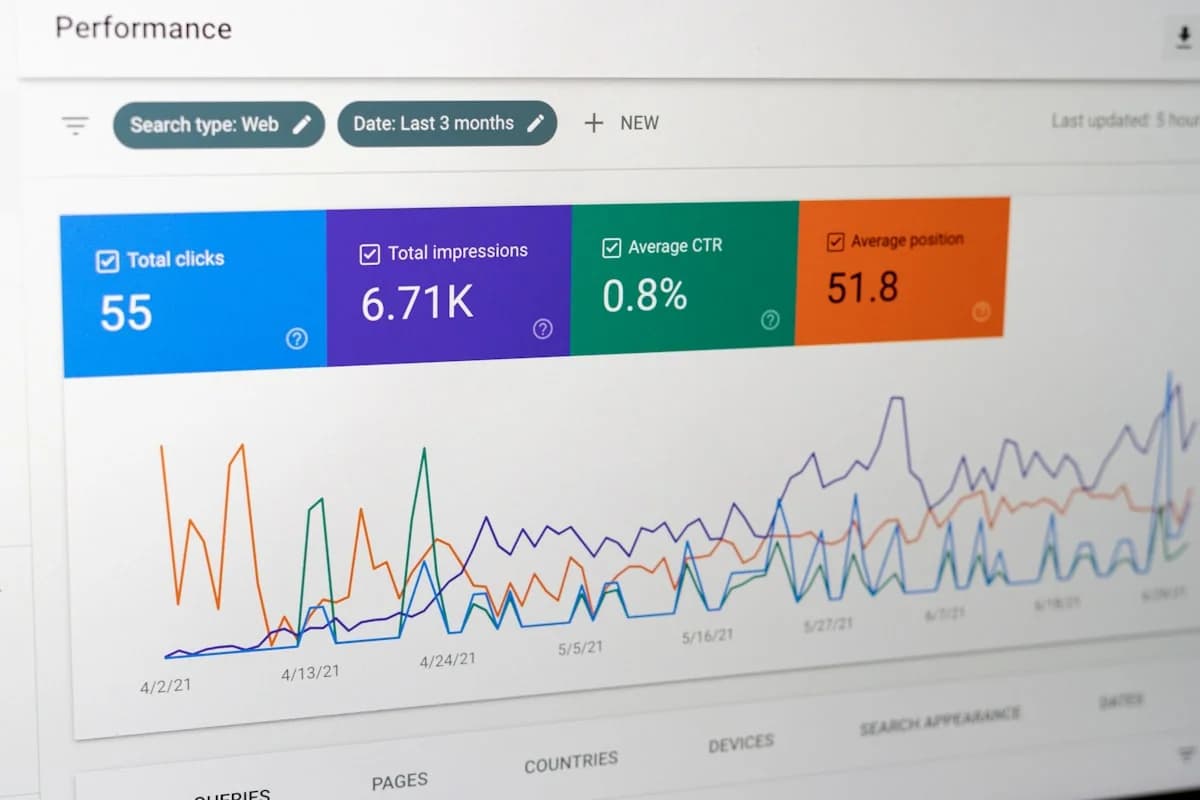
Pages buried five or six clicks from anywhere well-linked are crawled less often and ranked more weakly, not because of a depth penalty but because the signals never reach them. Flattening that structure is often the cheapest available improvement.
Links reading 'click here' describe nothing; links stuffed with the same exact phrase on every occurrence read as manipulation. Descriptive, varied, natural phrasing does the job.
Relationships declared in content rather than added by hand survive the site growing.
There is no correct number. Link where a link genuinely helps a reader continue. Pages with almost none are usually the problem; pages padded with links to hit a count add nothing and dilute the ones that mattered.
As a rule of thumb, important pages should be reachable within about three clicks of a frequently-crawled page. Deeper is not fatal, but it needs a deliberate reason and stronger linking to compensate.
Internal linking is the practice of connecting pages within a site so that both people and crawlers can move between related content, and so that relevance and authority are distributed deliberately rather than by accident.