

Sales
CRM Implementation Checklist
CRM projects fail on adoption rather than configuration. Agree the process and the minimum data model first, automate capture wherever possible, and migrate less than you think you need.
Sales
CRM projects fail on adoption rather than configuration. Agree the process and the minimum data model first, automate capture wherever possible, and migrate less than you think you need.
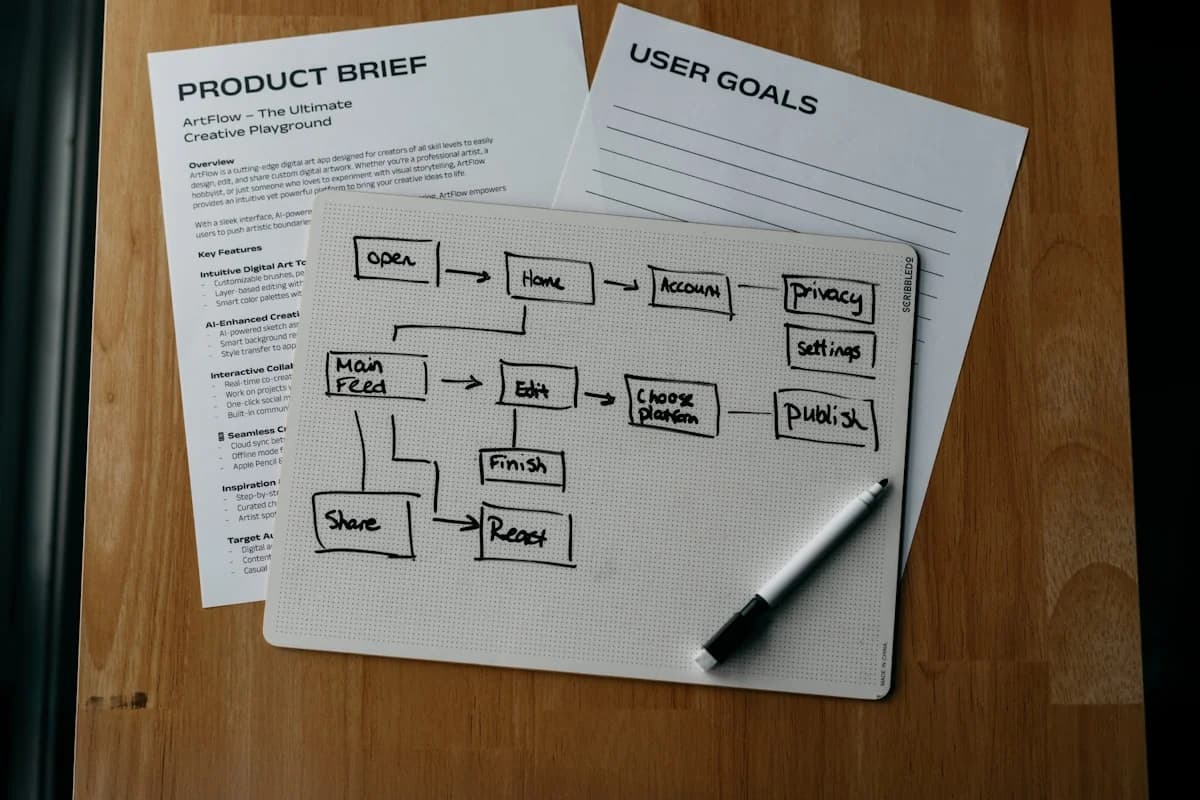
In order
A CRM configured against an idealised process records fiction, and the people entering it know that first.
Every required field is a tax on the person entering it, and long forms produce records completed carelessly to get past them.
Email, calendar activity and form submissions logged without anyone typing. The ratio of what the system gives back to what it demands is what determines whether it is still used in six months.
Bringing over years of unqualified records imports noise and makes reporting worse from day one. Agree what is worth migrating, check a sample after the load, and confirm ownership of every record before switching off the old system.
Usually not. Importing years of unqualified records makes reporting worse immediately. Migrate what is genuinely useful, and archive the rest somewhere retrievable.
Because they demand manual entry that produces no visible benefit to the person entering it. Adoption follows when the system returns more than it asks for.
CRM projects fail on adoption rather than configuration. Agree the process and the minimum data model first, automate capture wherever possible, and migrate less than you think you need.
You have read what we think. If you want to know what it means for your case specifically, describe it and we will tell you which parts of crm implementation checklist actually apply — and which do not.